 Book Now
 Serving
  call us today
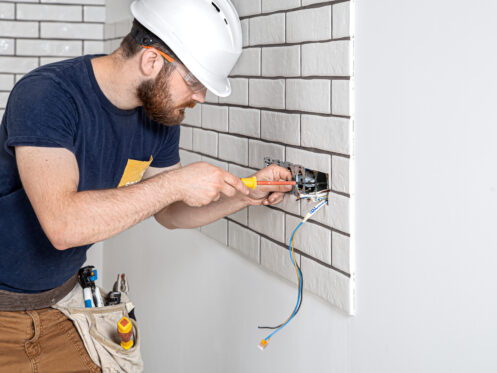
Your home’s electrical system plays a critical role in daily comfort and safety. But if the wiring is outdated or doesn’t meet current electrical codes, it can lead to serious hazards. Recognizing warning signs of unsafe or non-compliant wiring helps you avoid costly damage and protects your family.
Flickering or Dimming Lights
If your lights flicker or dim for no clear reason, it could point to faulty or outdated wiring. Common causes include loose connections, overloaded circuits, or damaged wiring.
For instance, if a light dims when you turn on a large appliance, it may signal an electrical imbalance or excessive power draw on the circuit. While a single flickering bulb might just need to be tightened, frequent or widespread flickering is a sign of a more serious issue that should be checked by a licensed electrician.
Frequently Tripped Circuit Breakers
Circuit breakers are designed to trip when a circuit overloads, protecting your home from electrical hazards. Occasional trips are normal. But if a breaker cuts out repeatedly, it’s a sign that your electrical system may not be equipped to handle the demands of modern appliances.
This often points to outdated wiring, insufficient grounding, or improperly separated circuits. These issues violate NEC requirements. Older homes, in particular, may not be wired to support high-powered devices like HVAC units, microwaves, or clothes dryers. Frequent trips are more than an inconvenience. They signal a serious safety and code compliance concern.
Buzzing Sounds From Outlets or Walls
Your electrical system should run silently. If you hear buzzing or humming from outlets, switches, or behind walls, it could indicate a serious problem. It is often caused by electrical arcing.
Arcing occurs when electricity jumps between loose or corroded connections, generating intense heat. This can easily lead to electrical fires if left unaddressed. Modern electrical codes require tight, corrosion-resistant connections to prevent these risks. If you notice unusual sounds, schedule an inspection right away.
Warm or Discolored Switch Plates
Outlets or switch plates that feel warm to the touch or have discoloration need replacing. These signs indicate excessive heat buildup. Heat can come from overloaded circuits, poor wiring contact, and outdated materials, such as aluminum wiring.
Modern wiring systems have built-in safeguards to prevent overheating. If you notice signs of heat damage, your system likely does not meet modern requirements.
Two-Pronged Outlets in Use
Two-pronged outlets lack the grounding wire that protects against shock risks. We commonly find these older outlets in Monterey Park mid-century homes. Today’s NEC requires three-pronged outlets with proper grounding.
If your home has many two-pronged outlets, it suggests an outdated electrical system. Using adapters or ignoring the issue poses serious risks and can result in code violations. Replacing these outdated outlets requires checking the wiring behind them for grounding capability.
Aluminum Wiring From the 1960s-1970s
In the 1960s and 1970s, aluminum wiring was widely used as a cost-effective alternative to copper. However, it has since been linked to serious safety risks. Aluminum oxidizes easily, loosens under heat, and expands at a different rate than copper.
Many homes from this era still have aluminum branch wiring that no longer meets today’s safety standards. Some insurance companies now require replacement or the use of special connectors to reduce the risk. If your home was built during this period, Monkey Wrench Plumbing, Heating, Air & Electric can inspect your wiring and recommend upgrades to bring your system up to code.
Outlets That Spark When Plugging in Devices
A small static spark when plugging in a device is often normal. However, large, bright, or frequent sparks can indicate a serious wiring issue, such as loose connections or short circuits.
These sparks can damage electronics and, in some cases, ignite nearby materials. If you see sparking from an outlet, stop using it immediately and contact an electrician to inspect the wiring and prevent further hazards.
Overuse of Extension Cords and Power Strips
Having to rely on extension cords or power strips due to a lack of outlets can signal an outdated electrical system. It can also be dangerous to use cords to power large appliances or electronics.
Modern electrical codes reflect today’s increased power demands. For example, the NEC requires that no point along a wall be more than six feet from an outlet. Stretching cords across rooms or daisy-chaining devices can lead to overloaded circuits, tripped breakers, and potential fire hazards.
Lack of GFCI Outlets
The NEC requires GFCI outlets in areas exposed to moisture, including bathrooms, kitchens, laundry rooms, and garages. GFCI outlets constantly monitor electricity flow and shut off power instantly if they detect a fault.
If your home still uses standard outlets in wet areas, it violates the electrical code, which began requiring GFCI outlets in the 1970s. An absence of GFCI outlets increases shock risks, especially near sinks, tubs, and showers.
Insufficient Electrical Panel Capacity
As households have grown more reliant on high-powered appliances and electronics, the demand for electrical panels has increased. If your old electrical panel only offers 60 or 100 amps, it likely will not safely handle today’s usage levels.
Most modern panels offer at least 200 amps. Older homes with small panels, fuse boxes, or a lack of dedicated breakers are not compliant. Additionally, they will struggle under the increased load of modern needs. Overloaded panels also increase the risk of overheating, arcing, and equipment failure.
Missing Arc Fault Circuit Interrupters
While GFCI outlets protect against electric shocks, Arc Fault Circuit Interrupters (AFCIs) help prevent fires by detecting dangerous arcing faults in wiring. The National Electrical Code now requires AFCI protection in many areas of the home, including bedrooms, living rooms, and other general-use spaces.
If your electrical panel or outlets lack AFCI protection, your system may not meet current safety standards. AFCIs provide a vital defense against hidden wiring damage that can lead to fires.
Light Switches That No Longer Function
Switches that fail to turn on ceiling fans or respond inconsistently often point to underlying electrical problems. Possible causes include broken circuits or damage from rodents and pests. Modern electrical codes require secure connections and properly housed wiring to ensure safe, reliable operation.
While a single malfunctioning switch may seem minor, it can signal more serious issues along the wiring path. Inspections frequently uncover outdated wiring methods or materials that may need comprehensive upgrades to meet today’s safety standards.
Unlabeled or Confusing Electric Panels
The National Electrical Code Article 408 requires that electrical panels have clear, easy-to-read labels. This includes a circuit directory on the panel door that identifies which rooms or fixtures each circuit controls.
If your panel lacks proper labeling or contains mystery switches, it may reflect a patchwork of unprofessional updates or DIY work. Every circuit should be clearly marked to ensure safe and efficient troubleshooting. Confusing or unlabeled panels can pose safety risks and complicate electrical repairs.
Schedule an Electrical Inspection
At Monkey Wrench Plumbing, Heating, Air & Electric, we have been serving the residents of Monterey Park, CA and the surrounding areas since 1999 with top notch wiring and rewiring services. You can count on us to perform an electrical inspection to ensure your home is up to code. We can also perform any necessary electrical upgrades or repairs. Contact us today to schedule an appointment with one of our experienced electricians.