
 Book Now
 Serving
  call us today
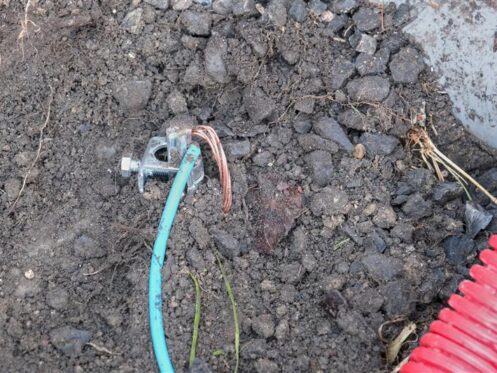
Electrical systems power nearly every modern home, from lighting and appliances to heating and cooling equipment. While you tend to focus on switches, outlets, and wiring, one of the most important safety features of any electrical system often remains out of sight: electrical grounding. Electrical grounding provides a safe path for excess current to flow into the earth if a fault occurs in the system. This protective mechanism helps prevent electrical shocks, reduces fire risks, and protects sensitive equipment from damage.
Why Electrical Safety Depends on Grounding
Electricity always follows the path of least resistance. When a problem occurs in an electrical system, such as a short circuit or equipment malfunction, electricity may attempt to travel through unintended paths. Without proper grounding, that path could include metal appliances, plumbing, or even a person touching the device.
Electrical grounding protects homes by redirecting stray electrical current away from people and equipment. The grounding system provides a safe path for electricity to travel into the earth, where it dissipates harmlessly. Grounding plays a critical role in protecting homeowners from several potential electrical hazards:
- Electric shocks
- Electrical fires
- Equipment damage
When grounding functions properly, the system quickly directs fault current away from dangerous locations. This action often triggers a circuit breaker to shut off power before injury or damage occurs. Modern electrical safety standards require grounding systems in residential wiring because of the essential protection they provide. Homes that lack proper grounding may face increased risk during electrical faults or power surges.
The Basics of Electrical Grounding
Electrical grounding systems rely on several components working together to create a safe connection between a home’s electrical system and the earth. These components form the path that allows excess electricity to travel safely away from the building. Each part of the system performs a specific function that contributes to overall electrical safety.
The grounding electrode serves as the connection between the electrical system and the earth. This electrode usually consists of a metal rod or plate installed deep in the ground near the home. The electrode allows electrical current to travel safely into the soil during a fault condition.
The grounding conductor connects the electrical panel to the grounding electrode. This conductor is typically a copper or aluminum wire designed to carry electrical current safely. If a fault occurs, the grounding conductor directs the excess current toward the grounding electrode.
The grounding busbar or grounding lug sits inside the electrical panel. This metal bar provides a central point where grounding wires from different circuits connect. The busbar connects these wires to the grounding conductor, ensuring that every grounded circuit in the home shares the same protective path.
Together, these components create a network that protects the electrical system from dangerous faults. This grounding network ensures that excess electricity has a safe path to travel if a malfunction occurs. By directing fault current away from appliances and wiring, the system helps reduce the risk of electrical shock and equipment damage.
Types of Electrical Grounding Systems
Different electrical systems use different grounding approaches depending on the design of the electrical infrastructure and the type of building involved. Although residential systems most commonly use one particular grounding method, it’s helpful to understand the broader categories of grounding systems. There are three primary types of electrical grounding systems, and each handles electrical faults differently.
Ungrounded systems do not provide a direct connection between the electrical system and the earth. These systems were more common in older electrical installations but are rarely used today because they offer limited protection during electrical faults. Without grounding, fault current may remain active longer and increase safety risks.
Resistance-grounded systems include a resistor placed between the electrical system and ground. This resistor limits the amount of current that can flow during a fault. These systems often appear in industrial environments where controlling fault current helps protect sensitive equipment.
Solidly grounded systems provide a direct electrical connection between the system and ground. This approach allows fault current to travel quickly to the grounding electrode, which helps circuit breakers trip rapidly and disconnect power. Most modern residential wiring systems use solid grounding because it offers reliable protection and supports effective electrical safety.
The Role of GFCI & AFCI
Grounding systems work alongside additional electrical safety devices that protect homes from specific types of electrical hazards. Two of the most important protective devices are Ground-Fault Circuit Interrupters (GFCIs) and Arc-Fault Circuit Interrupters (AFCIs).
GFCIs monitor electrical current moving through a circuit and detect imbalances between the hot and neutral wires. If the device senses that electricity may be flowing through an unintended path, such as water or a person, it shuts off the circuit almost instantly.
AFCIs detect dangerous electrical arcs that may occur when damaged wiring or loose connections create sparks inside electrical systems. These arcs can generate intense heat that may ignite nearby materials and cause electrical fires.
What Happens When Grounding Fails?
When electrical grounding fails, the system loses its primary safety mechanism for directing excess current away from people and equipment. Without a proper grounding path, stray electrical current may remain in metal components, appliances, or exposed wiring.
Several dangerous conditions may occur when grounding systems malfunction. Electrical faults may continue to flow through circuits instead of tripping circuit breakers. Appliances may carry live voltage on their metal surfaces, which increases the risk of electrical shock.
Homes with failed grounding systems may experience:
- Frequent breaker trips
- Electrical shocks from appliances
- Flickering lights or unstable voltage
Improper grounding can also allow electrical surges to travel through sensitive electronics. These surges may damage computers, televisions, and other devices connected to the home’s wiring system.
How Do I Know If My Home Is Properly Grounded?
In most situations, you can’t easily see the grounding components of your electrical system. However, certain clues may suggest whether a home has a proper grounding setup. Homes built many decades ago may lack modern grounding features. Older electrical systems sometimes rely on two-prong outlets that lack a grounding connection. These outlets may indicate that the home’s wiring system does not meet modern electrical safety standards.
Professional electricians can verify grounding through electrical inspections. During an inspection, our team will evaluate the electrical panel, grounding conductors, and grounding electrode connections to confirm that the system meets safety requirements. Electrical inspections also allow us to identify outdated wiring systems that may benefit from upgrades. Updating these systems improves electrical safety and helps ensure that modern appliances operate correctly.
Schedule Electrical Inspections & Wiring
Electrical grounding protects your home from dangerous electrical faults by safely directing stray electricity into the earth. When grounding systems work properly, they reduce the risk of electrical shock, equipment damage, and electrical fire. At Monkey Wrench Plumbing, Heating, Air & Electric, we have been a trusted electrical company in the Los Angeles area for decades.
Contact us today to request help with wiring upgrades.