 Book Now
 Serving
  call us today
Your HVAC system delivers cooled or warmed air throughout your house, but the hidden network of ducts can collect dust, pet hair, and even mold spores. A thorough duct cleaning removes built-up debris, helping your system run more smoothly.
Recognizing Warning Signs in Your Air Ducts
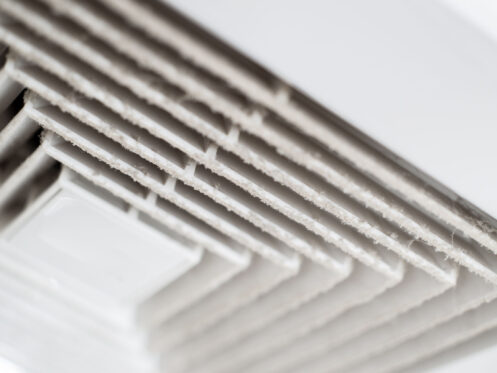
You may notice an odd musty scent drifting through your living room or feel a layer of dust settling on surfaces shortly after cleaning. In some cases, the first few times that the furnace kicks on in a new year may be accompanied by the scent of burning. Those smells and particles often originate in your ductwork. If you see dust falling from vents whenever the fan kicks on, that indicates buildup inside the trunks. You might spot dark streaks or debris around grilles, which hints at a deeper clog.
Some homeowners find they start sneezing more or coughing when the furnace runs, even though nothing else in their house has changed. That reaction can happen when mold spores or pet dander circulate through hidden duct channels. If you’ve recently finished a renovation or added new carpeting, leftover drywall dust and fibers often end up inside ducts, too.
Behind the Scenes: What Duct Cleaning Involves
A professional duct cleaning service starts with an inspection using a high-resolution camera that snakes through the main trunk and branch lines. That footage reveals the amount of buildup and pinpoints trouble spots, corners where lint, hair, or debris tend to accumulate. Next, technicians attach large vacuum units to the central air handler to create negative pressure throughout the duct network. They connect tools like rotary brushes and high-powered air whips at each register to agitate and dislodge the stuck particles.
As those contaminants break free, the vacuum draws them straight into a sealed collection container. In some cases, cleaners apply an antimicrobial spray inside the ducts to treat mold or bacterial growth. Finally, they wipe down accessible grilles and return vents so no residue remains. The entire process takes a few hours for an average home and leaves you with a duct system free of years of trapped dust and debris. For best results, get ducts cleaned every 3 to 5 years or so.
Breathing Easier: Health Advantages of Cleaning
Removing accumulated dust, pollen, and pet hair from your ducts can improve the quality of the air you and your family inhale every day. In humid climates, mold spores sometimes take root in damp duct sections, releasing toxins into the air. A targeted cleaning interrupts that cycle and limits exposure to those spores.
Boosting Your System’s Performance
When dirt and debris accumulate inside air ducts, your fan motor must work harder to maintain the same airflow. Over time, that stress shortens the blower’s lifespan and increases your energy bills. After a proper cleaning, you’ll notice stronger airflow at each vent and a more even distribution of heated or cooled air.
Timing Your Duct Cleaning Right
You don’t have to wait until you see dust spilling from vents to schedule a cleaning. Many homeowners find that booking a service every two to three years helps keep their indoor air fresh and their systems running smoothly. If you just finished a drywall project or installed new flooring, consider calling the pros right afterwards to remove all the construction dust before it settles deeper. Seasonal changes also affect buildup: fall and spring often bring in pollen and outdoor debris through fresh-air intakes, so scheduling a cleaning ahead of those allergy seasons makes sense.
Spotting Quality in a Cleaning Service
Look for technicians who explain their camera inspection process before starting work and share the footage with you, allowing you to see the condition of your ducts in real-time. They should use vacuum equipment with certified HEPA filtration, ensuring that the dust they remove never escapes back into your home.
A reputable service carries liability insurance and provides a precise, written estimate that outlines each task, including camera inspection, brush cleaning, vacuum attachment, and antimicrobial treatment if necessary. Ask about their experience with different types of duct materials, such as metal, flexible, or fiberglass-lined ducts, as the cleaning approach varies for each type. A good company also provides a post-cleaning report, which includes both before-and-after images. Those details indicate that this crew takes the job seriously and stands behind their work.
When Cleaning Isn’t Enough
Sometimes, you’ll discover that the ductwork has sustained damage or contains sections of crumbling insulation that allow contaminants to slip through. If the inspection camera reveals gaps, tears, or rust holes, a simple cleaning will not resolve the leakage. In those cases, technicians may recommend sealing ducts at the joints with mastic or foil tape designed for HVAC use. They might replace short, damaged sections or wrap bare metal with new insulation. Homes with mold growth inside flex ducts often need partial replacement of those liners. If rodents have taken residence in your ductwork due to holes in your crawl space or attic, you may also need to hire an exterminator to remove all of the critters before your ductwork is repaired and cleaned. Additional cleaning steps may be necessary to remove any potential contaminants found in rodent excrement.
Camera inspections have the added benefit of looking at the condition of ductwork that is hidden behind drywall or under flooring. While you may be able to view issues in your attic or crawl space and reach them easily, holes in your hidden ductwork are more challenging to locate without causing damage to your home.
While repairing those issues adds to the cost, it prevents fresh dust from reentering the system right after cleaning. Investing in proper repairs alongside cleaning preserves the benefits of your service and stops recurring problems. It also extends the lifespan of your ducts and keeps the air in your living spaces genuinely clean.
Maintaining Results Between Cleanings
You can help your ducts stay cleaner longer with simple habits. Replace your HVAC filter on the schedule recommended by its manufacturer or every three months, whichever comes first. Filters catch much of the airborne grit before it drifts into the trunks. Vacuum around supply registers and return grilles when dusting floors, preventing loose particles from re-entering. Keep doors to seldom-used rooms closed so that air moves through main pathways rather than dead-end ducts where debris settles. Running your fan for a few minutes daily helps keep air moving through the filter rather than allowing it to linger in the ducts. By pairing these small steps with periodic professional cleanings, you’ll enjoy better airflow, healthier air, and a system that operates with minimal fuss.
Get in Touch With Us for Air Duct Cleaning Services
Professional cleaning can enhance airflow, reduce allergens, and help you maximize the performance of your HVAC system. Alongside duct cleaning, Monkey Wrench Plumbing, Heating, Air & Electric in Los Angeles offers filter upgrades, UV-light installations, and system balancing services designed to keep your air fresh and your equipment operating efficiently. Call Monkey Wrench Plumbing, Heating, Air & Electric today to schedule your duct evaluation.