 Book Now
 Serving
  call us today
 Learning Center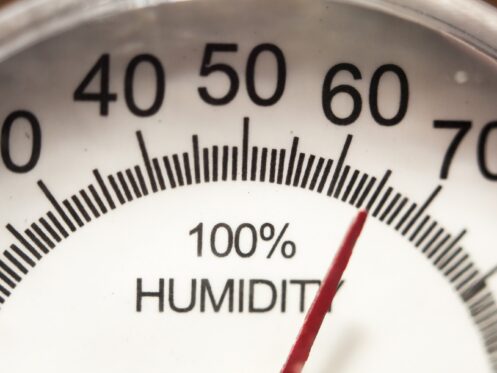
Excess humidity inside your home affects a lot more than your comfort. High moisture levels strain your HVAC system, damage building materials, and reduce indoor air quality. You may notice musty smells, foggy windows, or clammy air. You may assume humidity only comes from outdoor weather, but several hidden factors inside the home can trap moisture and prevent proper humidity control.
Understanding the causes of indoor humidity helps you take the right steps toward lasting solutions. From insulation problems to HVAC system issues, moisture can enter and linger for various reasons. Once you address the root causes, you can restore comfort, protect your home, and improve air quality.
1. Air Leaks and Poor Insulation
Air leaks and inadequate insulation allow humid outdoor air to creep into your home during hot, muggy summers. Small gaps around windows, exterior doors, and in walls act like open doors for moisture. Humid air enters faster than your air conditioner can remove it. This causes indoor humidity levels to rise, and your system has to work harder to maintain comfort.
Poor insulation allows heat to move more freely through walls and ceilings. When warm air contacts cooler surfaces, moisture can condense on walls, ceilings, and windows. Areas with inadequate insulation also experience greater temperature swings, which increases the likelihood of condensation and lingering moisture.
Homeowners can take steps to reduce humidity caused by air leaks. Sealing visible gaps with caulk and adding weather stripping around doors and windows can significantly reduce moisture intrusion. Foam sealant works well for sealing gaps in your foundation. You can locate air leaks by feeling for drafts or using incense or a candle. Additionally, check for visible daylight around doors and window frames.
Reducing air leaks helps your HVAC system operate more efficiently by limiting the amount of humid air it needs to condition. Addressing air leaks early also helps prevent long-term issues. This includes condensation damage, mold growth, and unnecessary strain on your cooling equipment.
2. HVAC System Issues
Air conditioners and heat pumps naturally remove moisture as part of the cooling process. Under ideal conditions, this process helps maintain comfortable humidity levels. However, moisture removal is tied directly to runtime. During mild but humid weather or in well-insulated homes that cool quickly, the system may not run long enough to pull sufficient moisture from the air.
To solve this issue, many homeowners install a whole-home dehumidifier. They work alongside your system to manage moisture levels independently of temperature. Several other HVAC system issues contribute to humidity problems.
Advanced System Age
Older air conditioners and heat pumps lack the efficiency and moisture-removal capabilities of modern systems. As components wear down, these units struggle to maintain consistent performance. Aging systems tend to run longer cycles without effectively removing humidity, which leaves indoor air feeling heavy and damp. Technological advancements in newer HVAC equipment focus heavily on improved humidity control and energy efficiency. Older units simply cannot match those capabilities, even with repairs.
Replacing an aging system gives your home access to modern humidity management features and higher efficiency ratings. New systems remove moisture more effectively while providing reliable temperature control. A properly selected replacement improves comfort, reduces energy use, and supports healthier indoor air quality.
Undersized Unit
An undersized system creates several humidity level issues. When the unit struggles to keep up with heat and humidity, it may run continuously without fully drying the air. An extended runtime can strain the equipment while still leaving moisture behind. This situation often occurs after home additions or layout changes that increase cooling demands beyond the system’s original design.
Correct system sizing balances temperature control with effective moisture removal. Professional load calculations account for square footage, insulation levels, window placement, airflow, and occupancy patterns. When an AC or heat pump is properly sized, it runs long enough to dehumidify efficiently without excessive cycling.
Lack of HVAC Maintenance
Neglected HVAC systems struggle to manage temperature and moisture. Dirty coils, clogged drain lines, and restricted airflow interfere with normal operation. Moisture that should exit the system may remain trapped, leading to higher indoor humidity and water damage. Routine maintenance keeps components clean and functioning correctly. Without regular service, small issues can grow into performance problems that affect comfort and indoor air quality.
During a professional maintenance visit, a technician inspects and cleans the evaporator coil and clears and flushes the condensate drain line. They also check refrigerant levels and verify proper airflow across the system. For most homeowners, HVAC maintenance should be scheduled at least once a year, with spring service recommended for air conditioners and heat pumps. This prepares your system for the season ahead and leaves time for any necessary air conditioning repairs.
3. Leaky Ductwork
Ductwork distributes conditioned air throughout your home, but leaks compromise that process. Gaps, loose connections, and damaged ducts allow humid air from attics, basements, or crawlspaces to enter the system. Leaky ducts often go unnoticed because they are hidden behind walls or above ceilings. However, they can affect humidity levels, energy efficiency, and indoor comfort.
Duct sealing eliminates unwanted air exchange and ensures conditioned air reaches its intended destinations. Sealed ducts reduce moisture intrusion, improve airflow balance, and enhance overall system efficiency. This improvement supports consistent humidity control throughout your home.
4. Poor Ventilation
Ventilation removes moisture generated by everyday activities such as cooking, showering, and doing laundry. Without proper ventilation, this moisture accumulates inside the home. Bathrooms and kitchens produce large amounts of humidity, and without exhaust systems, that moisture spreads into living areas. Attics and crawlspaces also require proper ventilation to prevent moisture buildup. Trapped humidity in these spaces often migrates upward into the home, increasing overall indoor moisture levels and encouraging mold growth.
Exhaust fans actively remove moisture at its source and prevent it from spreading throughout the home. In bathrooms, you should run the exhaust fan for 15 minutes after a shower to clear moisture. Consider installing a fan in your attic to exhaust trapped heat and humidity. This reduces moisture and also protects your attic insulation. Additionally, ensure your crawlspaces are sealed to prevent moisture from entering your home. Together, these solutions can improve indoor air quality and long-term moisture control.
Request Indoor Air Quality Services With Monkey Wrench Plumbing, Heating, Air & Electric
If your home feels humid no matter how often your system runs, a professional evaluation provides the fastest path to relief. Our team at Monkey Wrench Plumbing, Heating, Air & Electric specializes in identifying the underlying issues that affect humidity levels, comfort, and system performance. We offer comprehensive services ranging from AC upgrades to whole-home dehumidifier installation.
Contact us today to request a professional assessment of your indoor air quality.